IICRC-certified water damage, fire, mold and biohazard restoration in Denver, Denver County. On-site in 60 minutes. Direct insurance billing. We’ve served Denver homeowners through frozen-pipe winters, hail-alley summers, and the 2013 floods.
By submitting, you agree to our Privacy Policy & Terms and consent to be contacted by phone, SMS, and email.
Denver — the 'Mile High City' — Colorado's capital and largest city, home to Coors Field, Red Rocks, and the gold-rush founding history, …
Denver — the 'Mile High City' — sits exactly one mile above sea level and serves as Colorado's capital, largest city, and economic engine, founded in 1858 during the Pikes Peak Gold Rush and home to roughly 715,000 residents. The city's housing stock — Victorian-era Denver Squares, mid-century bungalows in Park Hill and Wash Park, and modern downtown lofts — presents specific water damage challenges that out-of-state restoration crews routinely miss.
As a high-altitude semi-arid city sitting at exactly 5,280 feet, Denver faces a unique combination of frozen-pipe failures during winter cold snaps, rapid snowmelt flooding in spring, intense hailstorm roof damage in summer, and ice dams when chinook winds suddenly thaw deep snow. Annual precipitation averages roughly 15 inches of rain plus 57 inches of snow, with the most damaging events concentrated in the May–September monsoon season and February–March arctic blasts.
Our crews work all of Denver's neighborhoods including LoDo, Capitol Hill, Cherry Creek, Wash Park, Park Hill, Highlands, RiNo, Stapleton/Central Park, Hilltop, and Country Club. We know which streets flood first during a 2013-style monsoon, which HOAs require specific paperwork, which insurance adjusters serve Denver County, and which roofers we trust for post-hail tarp-and-dry work.
Local landmarks our technicians use as staging points include Union Station, Civic Center Park, Coors Field, Mile High Stadium, Cherry Creek, and the South Platte River corridor — meaning we're rarely more than 20 minutes from any property in the city, even during a January arctic blast or July hailstorm.
Denver’s history of major Front Range storms tells us where water finds its way in, which roofs are vulnerable to hail, and which neighborhoods need extra attention after every monsoon, blizzard, and supercell.
Specific Risks We Watch For:
Frozen-pipe bursts during sub-zero arctic blasts (-10°F regularly), 2013-style 1,000-year flooding events, and severe hailstorm roof penetration (May 2017 caused $2.3B in damage citywide).
From the first water-extraction truck to the final coat of paint, we handle every step in Denver — no subcontractors, no handoffs, no surprises.
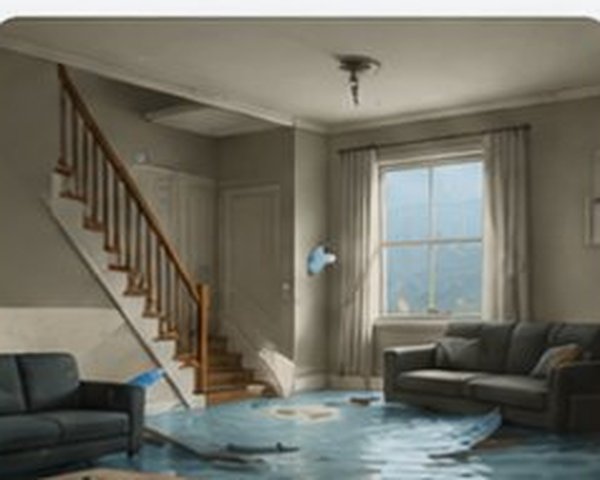
Floods, leaks, pipe bursts. We extract, dry, and restore.
Professional Water Damage Restoration Available 24/7
Learn More →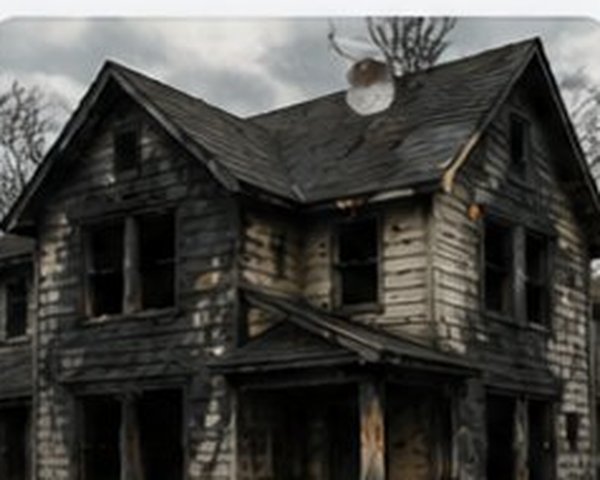
Soot, smoke, structural cleanup. Full restoration after fires.
Professional Fire Damage Restoration Available 24/7
Learn More →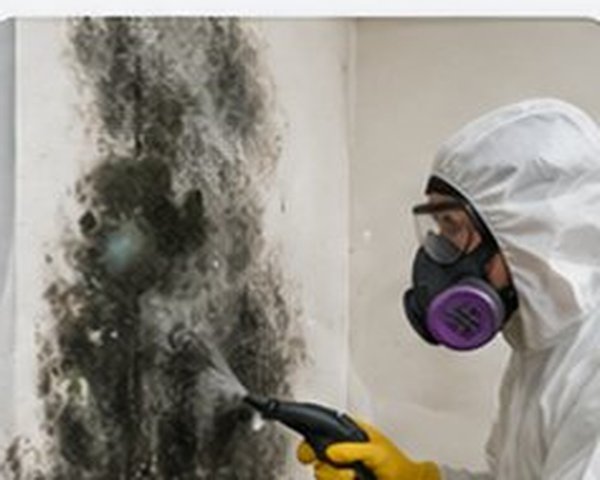
Inspection, containment, removal. IICRC-certified protocols.
Professional Mold Remediation Available 24/7
Learn More →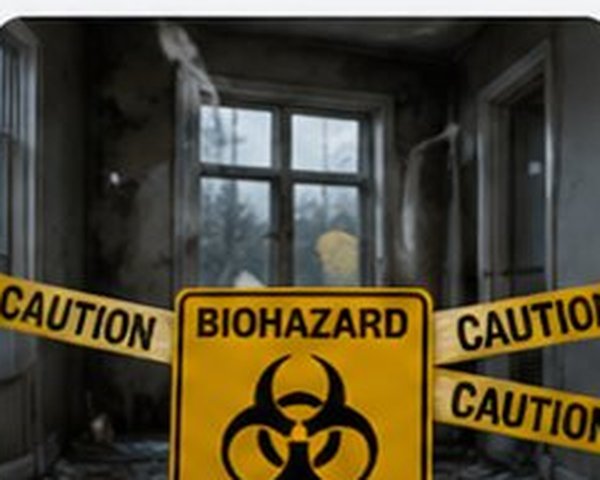
Sewage, trauma, hoarding. Discreet professional cleanup.
Professional Biohazard Cleanup Available 24/7
Learn More →
Smoke, pet, mildew odors. Hydroxyl & ozone treatments.
Professional Odor Removal Available 24/7
Learn More →Water damage often starts with a problem that needs a different specialist. Find top-rated local pros in Denver for the work that comes before — or after — restoration.
Stop the source — burst pipes, broken supply lines, water heater failures, sewer backups, slab leaks.
Find top-rated plumbers →Critical when water reaches outlets, wiring, or appliances. Don’t enter wet rooms with active power.
Find electricians near you →After dry-out is complete — drywall, flooring, painting, cabinetry, full reconstruction work.
Find reconstruction pros →If the leak comes from above — missing shingles, hail-cracked tile, ice-dam damage, post-blizzard structural failure. Critical after every Front Range hailstorm.
Find roofers in Denver →Frozen pipes, furnace condensate failures, and AC condensate clogs cause silent ceiling leaks across Denver year-round.
Find HVAC pros near you →Three reasons Denver property owners and insurance adjusters keep our number on speed-dial.
Average response time across the Denver metro, day or night.
Live dispatch every hour, every day — including holidays.
Every technician trained to S500 standards. No exceptions.
Direct billing to your insurer. We handle the paperwork.
Our technicians know Denver’s neighborhoods, building codes, and the specific water-damage patterns that come with 57″ of annual snowfall, frozen-pipe season, and Front Range hail alley.
The five questions we hear most from Denver property owners. Don’t see yours? Call us — we answer 24/7.
We respond throughout the Denver metro and the Front Range. Same 60-min response time, same IICRC standards, same direct insurance billing — wherever you are in Denver County or beyond.
Every minute counts. Mold can begin growing within 24 hours, even in Denver’s dry climate. Call now — we’re dispatched, IICRC-certified, and on-site in under 60 minutes anywhere in the Denver metro.
